


Hello, Tigers!
In the last lesson [Lesson 8: Three Ways Markets React During Periods of Panic] we learned methods for finding opportunities during times of panic. Building a successful long term investment strategy, however, isn't just about what you buy. It’s about building a disciplined long term mindset to navigate the market's cycles.
Many investors are derailed not by poor stock choices, but by common psychological pitfalls. Learn about three common behavioral traps in long-term trading and how they affect investor decisions.

Understanding the Long-Term Mindset
Before exploring common pitfalls, it’s helpful to define what a long-term investing mindset entails. This mindset focuses on:
Focusing on Fundamentals: Long-term investors often pay attention to a company’s growth potential, earnings, and competitive strengths rather than reacting to daily price changes.
Harnessing Compounding: Allowing investments time to grow can enable returns to generate their own returns over time.
Ignoring the Noise: Market fluctuations are normal, and a long-term perspective often helps investors avoid reacting to every headline or short-term swing.
This mindset can serve as a foundation for recognizing and managing common behavioral traps.
Trap 1: Emotional Trading (The Fear and Greed Cycle)
Emotional trading happens when decisions are driven by fear, greed, or anxiety rather than a rational plan.
Why it’s a challenge:
Fear: Market volatility can lead investors to sell prematurely, sometimes locking in losses at a low point.
Greed: Rising markets can prompt investors to buy impulsively, often at peak prices due to fear of missing out.
Research, such as the DALBAR Quantitative Analysis of Investor Behavior, shows that behavioral biases like emotional trading can contribute to underperformance relative to market indices over the long term.
Common approaches to managing it:
Goal awareness: Many investors find it helpful to clarify their financial goals, time horizon, and risk tolerance before making decisions.
Consistent investing habits: Techniques like regularly investing a set amount over time can help reduce the impact of short-term emotional reactions.
Tools and strategies: Various investing tools exist to support discipline and risk management, though approaches vary widely among investors.
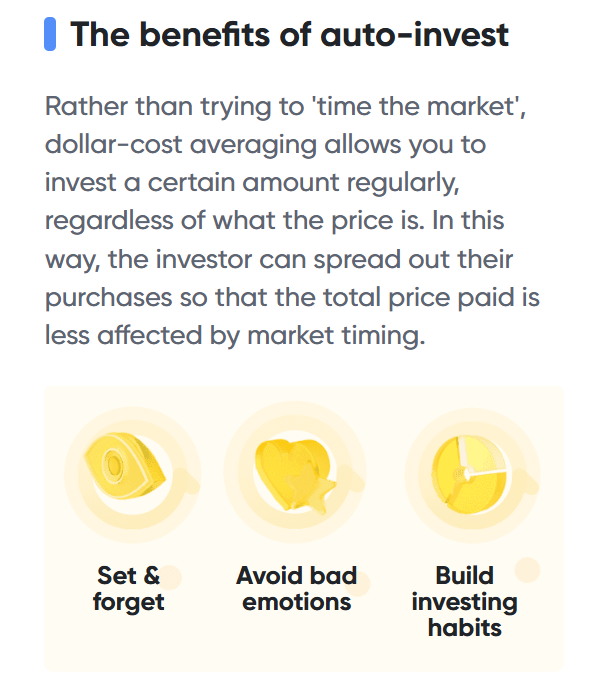
Alt: The benefits of auto-invest provided by Tiger Trade
Use Platform Tools: A modern investment platform like Tiger Trade provides tools to manage emotion. For example, setting a stop loss order allows you to define your maximum acceptable loss before you are in a state of panic.
Trap 2: Overtrading (When 'Active' Becomes Counter-Productive)
Overtrading is the tendency to buy and sell securities too frequently, often based on short-term market "noise" rather than a long-term strategy.
Why It's a Trap
This "always-on" approach is full of dangers:
High Transaction Costs: Every trade has a cost, whether it's commissions, taxes, or other fees. These costs add up and act as a significant drag on your profits.
False Confidence: Many over-traders overestimate their ability to predict short-term market moves. A landmark study by Barber and Odean, "Trading Is Hazardous to Your Wealth," found that the accounts of the most active traders earned the lowest returns, with high trading costs being the primary culprit.
Focusing on Noise: You become distracted by minor, unpredictable daily fluctuations and lose sight of the long-term trends that actually build wealth.
Trap 3: "Greater Fool" Theory (Speculation vs. Valuation)
This trap occurs when you buy an asset not because you believe it has intrinsic value, but because you hope a "greater fool" will buy it from you at an even higher price.
Why It's a Trap
This isn't investing; it's pure speculation. The price becomes completely disconnected from the asset's real value, creating a market bubble. Once the supply of "greater fools" runs out, the bubble bursts, and investors who bought in late face massive losses.
A classic example is the GameStop bubble in early 2021. The stock's price was driven by speculative frenzy, not by any change in the company's performance. Those who bought near the peak were left with huge losses when the price inevitably crashed.
How to Avoid It: Focus on Fundamentals
The antidote to this theory is to look for the good characteristics for a good investment. Before buying, ask yourself:
Is it Profitable? Does the company have strong, growing earnings?
Is it Sustainable? Does it have a healthy balance sheet (low debt) and a strong competitive advantage?
Is the Price Fair? Based on its fundamentals, is the stock reasonably priced?
Investment decisions should be based on in-depth research, not on market hype or the hope of finding a "greater fool."
Building Your Best Long-Term Strategy
The best strategies for long-term stock investments are built on discipline, not drama. By avoiding emotional decisions, refusing to overtrade, and focusing on fundamental value, you can navigate the market rationally and stay on course to meet your goals.
As a Tiger Broker client, you have the tools to build this discipline:
Smarter market insights start with Tiger Trade — research, data, and analyst ratings in one app.
Stay informed with Tiger Broker news and market analysis to separate long-term trends from short-term noise.

Alt: An screenshot of the investor’s top news from the Tiger Trade on December 23, 2025
The use of advanced planning and order tools, including conditional orders and the stop loss orders, enables more logical and disciplined strategy execution.
This behavioural finance course concludes here. You’ve learned about cognitive biases, irrational decision-making, and market behavior during periods of panic. This course is designed to strengthen investment knowledge and skills!
See you in the next lesson!
Disclaimer: Investing involves risks. This content does not constitute financial advice. It should not be interpreted as an offer, recommendation, or solicitation to buy or sell any financial products. Any related discussions, comments, or posts by the author or other users should not be seen as such. The information provided is for general informational purposes only and does not take into account your individual investment goals, financial circumstances, or needs. Tiger Brokers makes no guarantees regarding the accuracy or completeness of the information. Investors are encouraged to conduct their own research and consult a professional advisor before making any investment decisions. This advertisement has not been reviewed by the Monetary Authority of Singapore.